Your turn.
You walked all the rooms. You now understand how AI really works — something a lot of grown-ups are still figuring out. Three things to take with you: a printable card, one thing to try with a grown-up tonight, and how to keep getting smarter using AI.
Your printable card.
Three super-questions for any AI moment. Print this card, fold it, slip it in your school folder. Pull it out when you need it.
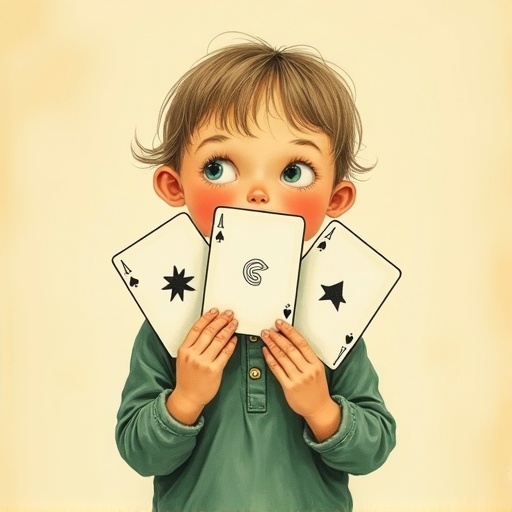
The Three Super-Questions
-
1"Did you make this up?" Catches when AI invents fake facts
-
2"What if I'm wrong about this?" Beats AI agreeing with everything
-
3"How could I check this?" Builds the verify habit for life
One thing to try tonight.
Pick a grown-up. Pick one of these. Try it together. Talk about what you noticed. The point isn't getting the right answer. It's the conversation you'll have about it.

Start a curiosity journal.
The best way to use AI is to bring your own questions to it. Here's a tiny habit: keep a list of things you wonder about. AI's there when you want help exploring one of them.
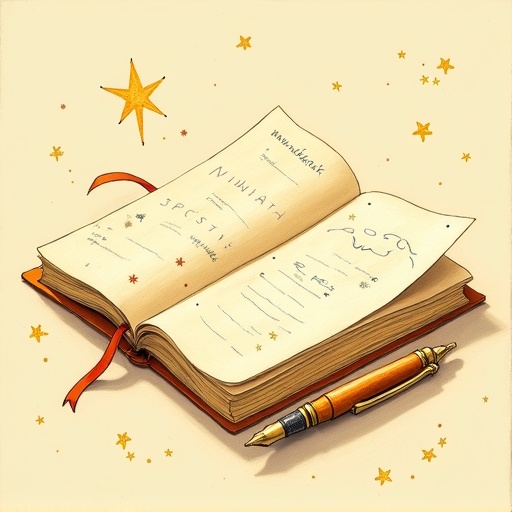
My Curiosity Journal
Each day, write one thing you wonder about. Don't answer it yet — just collect them.
"I'm curious about ________________. Help me understand it — ask me what I already think first."
Bring nothing — get nothing meaningful back. Bring real curiosity, real questions, and a willingness to think — get something genuinely useful. The kids who get the most out of AI aren't the ones who use it the most. They're the ones who bring the most of themselves to it.
Nice work. You finished.
Seven rooms. Lots of activities. You now know what AI is, that it's a whole family of tools, where it gets things wrong, what bias is and where it comes from, how to use it well, what's worth worrying about, and what to do next. Come back any time, and bring a friend. Tell them what you noticed.