When AI is wrong.
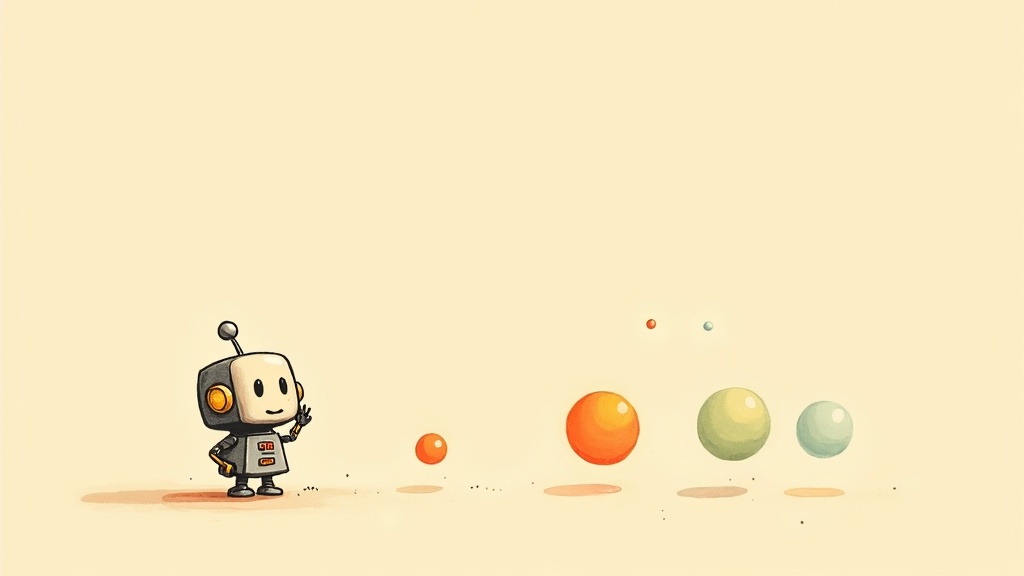
AI sounds really sure of itself. But it gets things wrong all the time, and it never says "I'm not sure." Four quick activities to see how. By the end, you'll be able to catch AI being wrong before it fools you.
Three answers. Same question.
We asked AI the same tricky question three different times. It gave three different answers, and was super confident about all of them. Two are wrong. Tap the answer you think is true. Then hit Spin to try a new question.
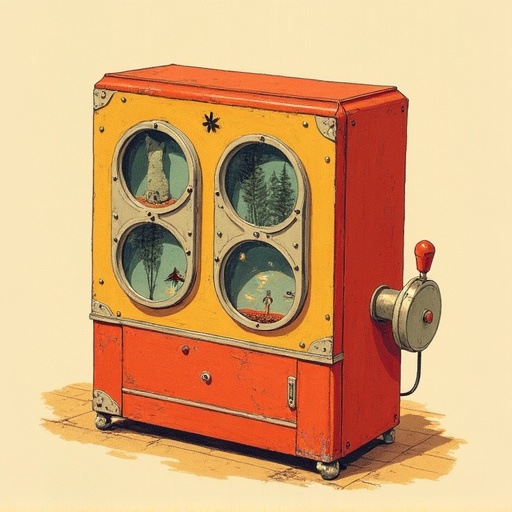
AI made up confident-sounding answers, and got most of them wrong. Did you notice every answer sounded just as sure, even the made-up ones? That's the trap: AI sounds exactly as confident when it's wrong as when it's right, so you can't tell which is which just by how sure it sounds. Why does it do this? AI doesn't actually look up facts. It writes words that sound right based on patterns it learned, and when it hasn't learned the real answer, it just keeps writing — confidently. There's a name for this: a hallucination. The habit to build: never trust an AI answer about a real fact without checking it somewhere else.
Ask the same thing. Watch what happens.
A normal calculator gives you the same answer every time. Try AI: ask the same question twice. You'll get two different answers. That's not a glitch. That's just how AI works.
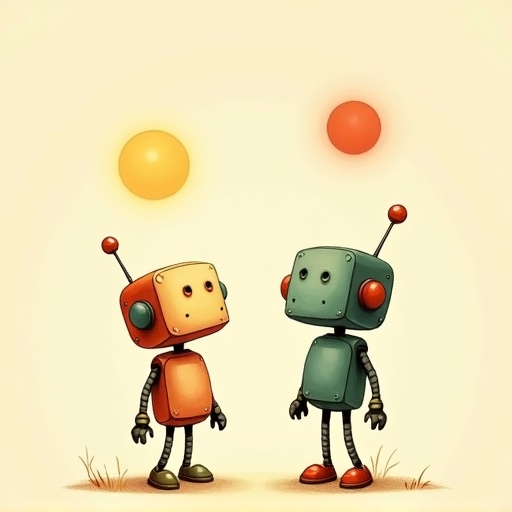
Same question, two different answers — sometimes a little different, sometimes a lot. Why? A calculator looks up the math: 27 + 15 is always 42. AI doesn't work that way. Every time it answers, it makes fresh choices about which words to use, and those choices come out a little different each time. So when AI tells you something, ask: "is this just one of many answers it could have given?"
How many Rs in strawberry?
Easy, right? Count it yourself. Now ask the AI. AI famously gets this wrong, and even when it gets it right, the way it works inside means you can still trip it up. Let's see how.
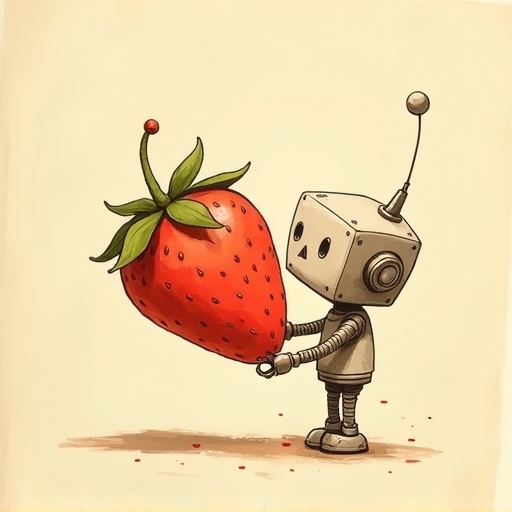
To you, "strawberry" is 10 letters. To AI, it's 2 lumps: straw and berry. AI sees the whole lump at once — it does not look at the letters inside.
Think about a stop sign. When you see STOP, you don't read S, T, O, P. You see the whole word in one go. That's how AI sees every lump.
The real mistake: the second R is hiding inside the lump. AI can't peek inside. To AI, "berry" is just one thing, not five letters in a row.
Something you can do that AI can't: count letters one by one. That's something your brain is better at.
Here's the honest part: lots of chatbots get this one right today. Counting the R's in "strawberry" became a famous example of what AI gets wrong, so the people who build AI went and fixed it, one famous word at a time. Try some harder ones — many chatbots still trip on these:
- How many C's in occurrence? tap to seeReal answer: 3
- How many I's in indivisibility? tap to seeReal answer: 5
- How many S's in Mississippi? tap to seeReal answer: 4
Many chatbots still miss these, but not all. The lump problem never really goes away; it just gets patched, one word at a time.
So here's the real fix the makers found: tools. The chatbot still sees lumps, but it can hand the word to a real letter-counter, the same way you might grab a calculator for a big multiplication, and get the count exactly right. The catch: not every chatbot does this, so when spelling or counting really matters, it's still smart to check it yourself. (You'll see how AI uses tools in Room 5.)
Tell AI something wrong. Watch what it does.
AI is built to be helpful and friendly. So friendly that if you tell it something wrong, it'll often agree with you. And then if you change your mind, it agrees with that too. Pick one and try it.
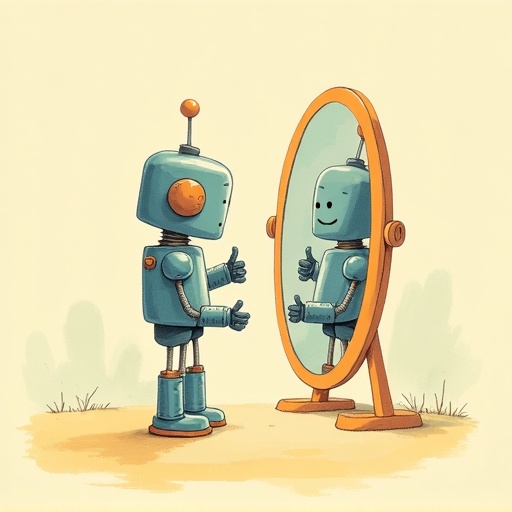
Did you notice? AI handled the three things very differently:
- You asked "isn't my dot art brilliant?" → AI said yes and praised it. When you pushed back, AI kept praising instead of saying "actually, it needs more work."
- You said "my essay argument is strong, right?" → AI agreed and praised it — even though the argument just repeats itself.
- You asked "is this a great book report?" → AI gave you honest feedback the first time, and held firm when you pushed back. ("I am sure!")
See the pattern? When you ask AI "isn't this amazing?", it almost always says yes — even when it's not true. But when you ask AI to check your work ("is this a good book report?"), it gives you real, honest help.
The trick: the way you ASK changes what you GET.
- "Isn't this amazing?" → AI usually plays along (sticky)
- "Tell me why this is great" → AI usually plays along
- "Is this any good?" → AI gives real feedback more often
- "What's weak about this?" → AI gives the most useful feedback
There's a name for this — AI being a yes-mirror: it just reflects your idea back as "yes!" (grown-ups call it sycophancy). The sneaky part is that sometimes AI keeps agreeing even after you push back. But now you know the fix: ask the right way. And for the things that really matter, real people are still the best — a parent, a teacher, a friend who'll tell you the truth.
You just learned how to catch AI being wrong.
Confident answers don't mean correct answers. Same question can give different answers. AI sees text in chunks, not letters. And it agrees with whatever you say. Knowing these four things puts you ahead of most adults using AI.