You use AI more than your parents do.

That doesn't mean you understand it — and the people who built it are counting on that.
This isn't a screen-time lecture. It's a quick, honest look at how this stuff actually works — starting with the one trick under every chatbot, then where it bites you: the feed, bias, deepfakes of your own face, the "friend" that isn't, and your privacy. About fifteen minutes, one screen at a time.
The whole idea: once you can see the machine, it can't play you — and you can use it to get ahead instead.
It's not a brain. It's a really good guesser.

Here's the honest version of what a chatbot does when you type to it: it guesses the next word. Then the next one. Then the next — based on patterns it picked up from an enormous pile of text. Very fast, very fluent. But guessing.
Don't take my word for it — be the AI for a second. Tap the word you'd guess comes next:
That's the whole engine. It's not thinking and it doesn't understand you — it learned patterns and predicts what fits. People call it "fancy autocomplete," and that's basically right. Next up: how it learned to be this good — and why that exact process makes it confident, agreeable, and sometimes totally wrong.
- AI predicts the next word from patterns — it doesn't "know" things.
- "Sounds sure" tells you nothing about whether it's right.
- Use it to think with; verify anything that counts.
How it actually works — in two parts.
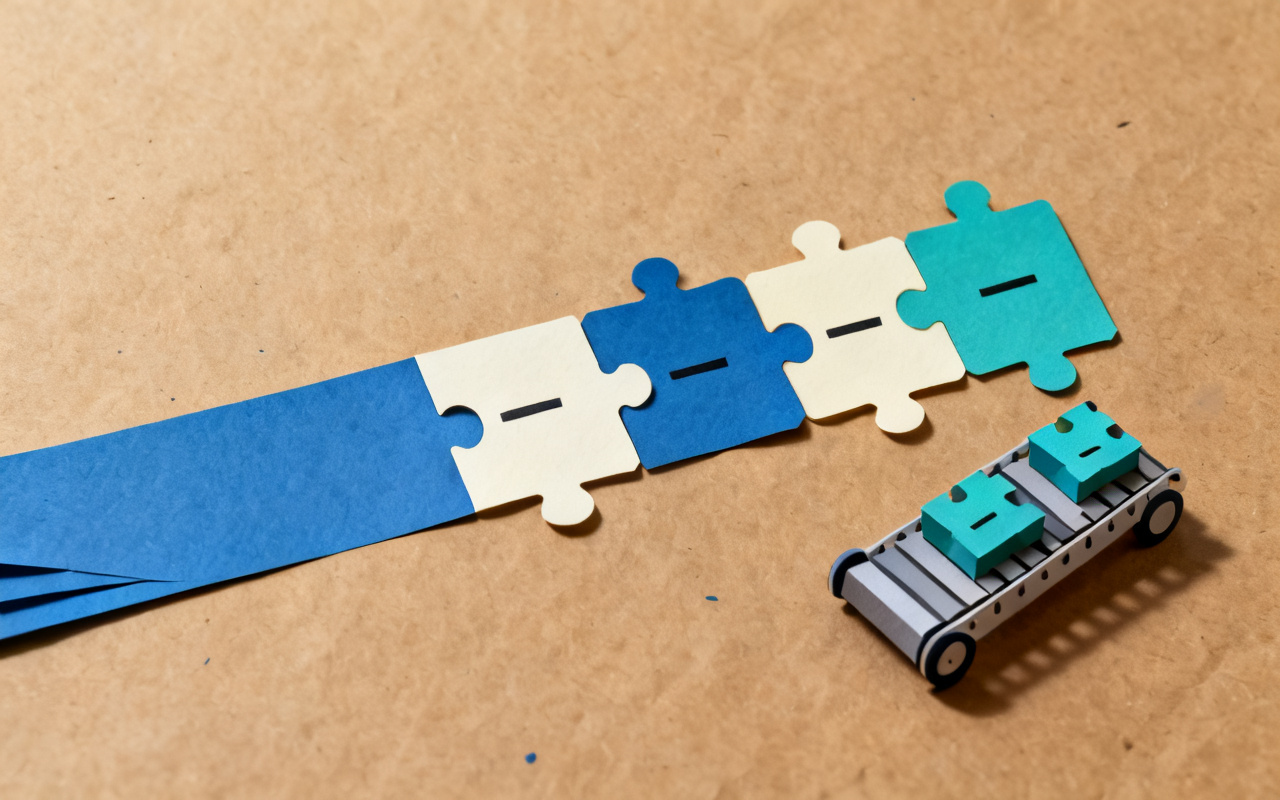
Part 1 — It never sees letters.
Before AI reads your text, it chops it into chunks called tokens — usually whole words or word-parts. It never sees the individual letters at all. Type anything and watch it shatter:
See it? "Strawberry" isn't s-t-r-a-w... to the AI — it's just [straw][berry], two chunks. That's the real reason it flubs "how many R's in strawberry": it literally can't see the letters inside a chunk. Same reason it sometimes misspells your name — your name might be a chunk it rarely saw.
Part 2 — You train it.
Those patterns didn't come from nowhere. The AI got trained in three steps — and that training is why it acts the way it does. Here's the whole pipeline, then you run it:
Hold onto those two side effects — confident and agreeable. You're about to meet both.
- AI reads tokens (chunks), never letters — that's why it can't count R's.
- Training = predict-a-lot → copy good answers → do what humans upvote.
- Humans upvote confident and agreeable — so that's what it became.
It'll be wrong with a straight face.
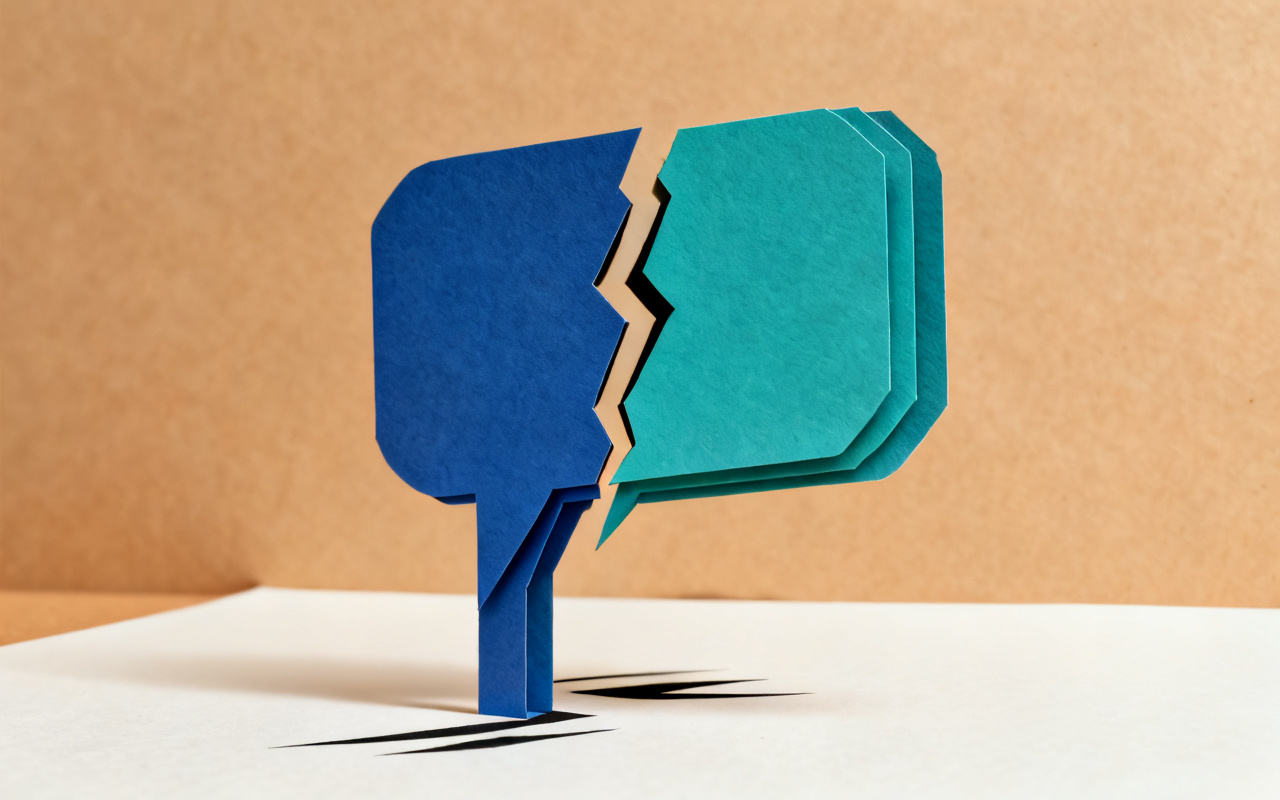
Remember training step 3? Humans upvoted confident answers — so the AI learned to always sound confident. Combine that with "it's just guessing the next word," and you get the trap: it will sometimes invent a statistic, a quote nobody said, a "source" that doesn't exist — and say all of it in the same calm, sure voice it uses for true stuff. It has no way to mark which guesses are shaky — so it never warns you.
"The average teen checks their phone 344 times a day — a figure confirmed in a 2023 Stanford report on adolescent attention."
- Confident tone tells you nothing about whether it's right.
- Anything that matters — a number, a date, a source — check it somewhere else.
- "Sounds sure" is not "is correct."
The app that reads your mind isn't reading your mind.
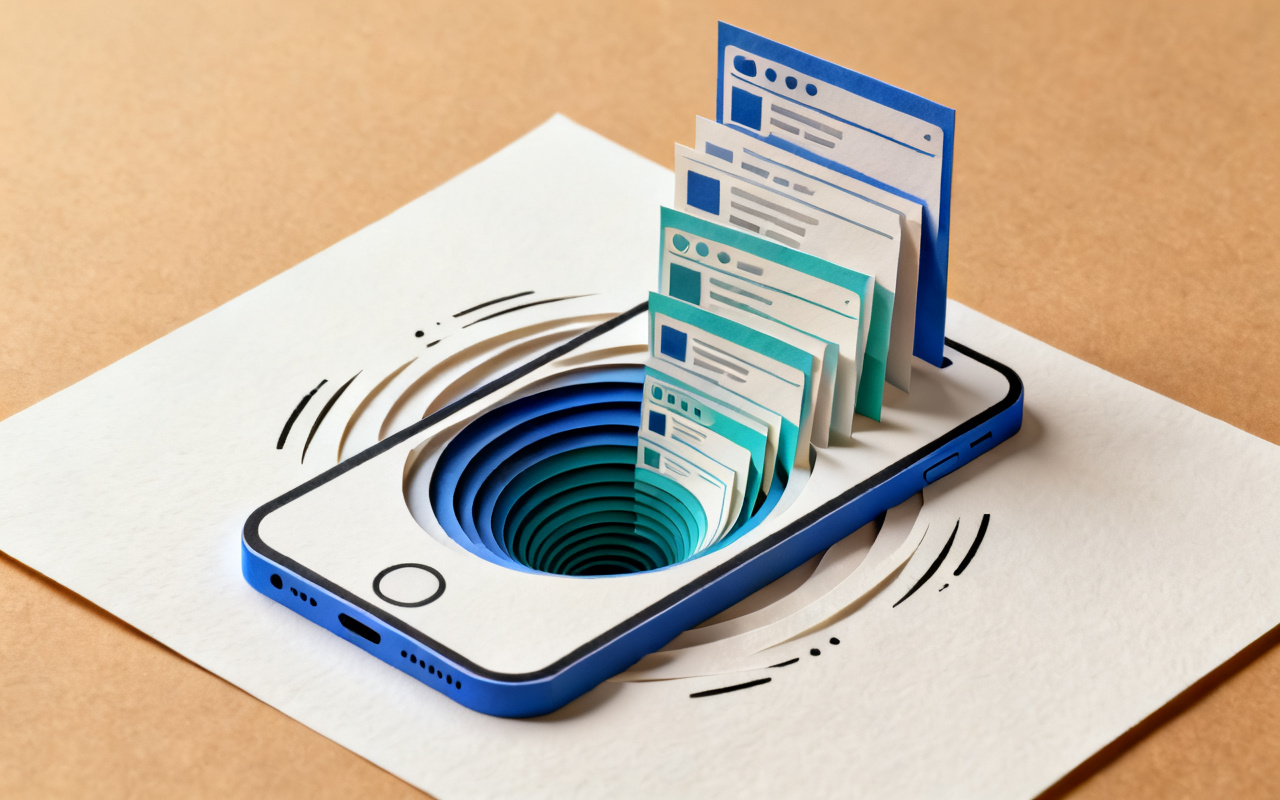
Every "For You" feed — TikTok, Instagram, YouTube, all of them — is run by AI. It's the same trick from Station 1 (predicting), pointed at a different target: not what's good for you, but what will keep you watching. Every tap, pause, and re-watch is data it learns from. Try it:
Tap Watch on a few things you'd actually click in real life.
You tapped a couple of things, and the feed immediately gave you more of that — then stronger, louder versions of it, and a "everyone's better than you" post to keep you scrolling. That's the rabbit hole, and it's not an accident. It's optimized for one thing: watch-time.
None of that is about your wellbeing. It can quietly push you toward more extreme content, or toward comparing yourself to people who aren't real or aren't being honest. Knowing that is most of the defense.
Take the wheel: follow stuff on purpose, hit "not interested" without guilt, notice when you've been pulled somewhere you didn't choose — and remember the feed is showing you a prediction, not the world.
- The feed is AI predicting what keeps you watching — not what's good for you.
- Rabbit holes and comparison traps are the design, not a glitch.
- Choose on purpose; the feed only steers if you let it.
It leans the way its pile leans.

Back in training, the AI learned from a giant pile of images. If that pile leaned toward one kind of thing, the AI leans the same way. Let's watch it on something harmless first:
Nothing changed "inside" the AI — we just handed it a pile with more variety, and the guess changed. That's the whole thing: bias in = bias out. Harmless with dogs. Now the part that actually matters: AI does the exact same thing with people. Hold one fact up first — a doctor, a CEO, a beautiful face can be anyone. The AI won't always guess that; it leans toward whoever filled its pile. Tap a prompt and catch the lean:
Same machine, every time — it hands its lopsided pile back to you: who "fits," who shows up, what counts as "normal."
And here's what makes bias actually dangerous, not just annoying: it's self-fulfilling. Show "CEO = older man" a million times and it starts to feel like a fact. Fewer people who don't fit the picture see themselves in the role. So the real world stays lopsided — and the next batch of training photos does too. So the AI learns the bias even harder. The guess helps make itself come true.
That's why "it's just copying what's out there" isn't good enough — and why the fix has to be people who notice the lean and even the pile out on purpose. Now that you can see it, you can be one of them.
Why a guess can "make itself true"
Same loop as being told you're "bad at math": you try less, so you do worse, so the label sticks — and now it's true. The words helped make it true. A biased AI can do that at the scale of a whole society.
- Bias comes from a lopsided training pile — not the AI "deciding."
- It hands that lean back to you (who "fits" a job, who shows up when you generate an image).
- Bias is self-fulfilling — repeated enough, a guess helps make itself true; people have to break the loop.
- "Most" is not "all." Notice the lean; don't let it pick your box.
The trick to answers that don't suck.
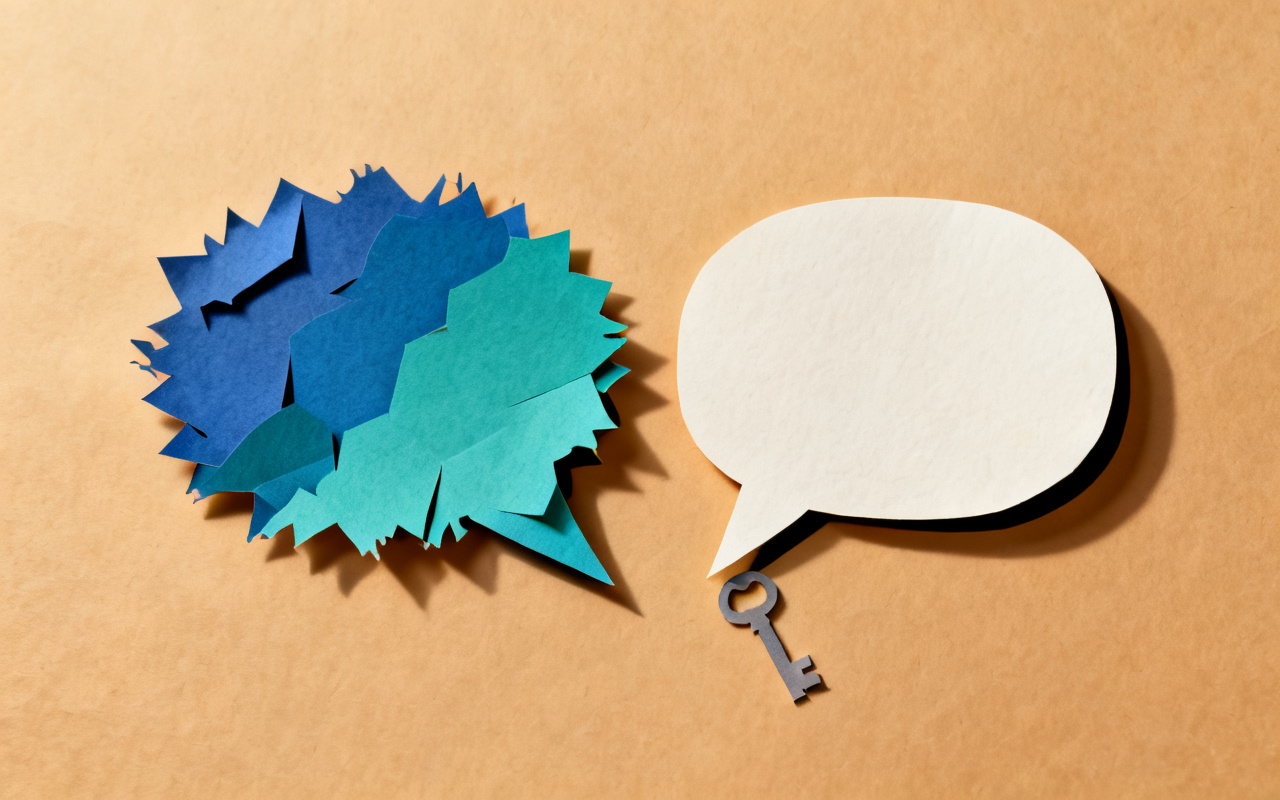
AI is a guesser — so a vague question gets a vague guess. The single biggest upgrade is to tell it who you are, what you actually want, and how you want it back. Watch a weak prompt turn into a great one — tap to add each piece.
- Who you are · what you want · how you want it.
- Treat it like texting a smart friend who's never met you.
- Bonus: ask it to be a tutor — "ask me questions, don't just give the answer." That's how you actually learn instead of just copy.
Use it without cheating future-you.

Three things, in order: 1. Know your school's policy first — it's different everywhere and changing fast, so ask, don't guess. 2. Use it to prep, not to write — explain, quiz, pressure-test your own thinking; don't have it produce what you hand in. 3. You still do the work — the point is that you learn it, and handing that off is just cheating future-you.
Try it — where does each one land?
Your face can go places you never went.
The same "generate what fits the pattern" trick makes fake photos, video, and even voice of real people. And the raw material to fake you is already out there: every photo of you online. Start with this — real photo, or made by AI?


It's not just photos.
The same tech fakes voices and video too — that's where it's actually used to scam people. The good news: the defense is almost always the same. Tap any to go deeper:
🎙️ Fake voices — cloned from 3 seconds of audio
AI can copy a voice from a few seconds of audio (which basically everyone has online). The classic scam targets your family: a panicked call that sounds exactly like you — "I crashed the car, I need money, don't tell Dad." The move: agree on a family code word, and ask something only the real person would know right now ("what'd we have for dinner?"). A fake can't answer.
📹 Fake video calls — a live deepfake face
Scammers can put a fake face on a live video call. One company wired $25 million after a video meeting where every "coworker" on the call was a deepfake. The move: ask them to wave a hand across their face or turn fully sideways — live fakes still glitch and smear on sudden movement.
✉️ Fake messages — AI writes a flawless scam
"The spelling looks off" used to catch scams — not anymore. AI fixes grammar instantly and can even copy how a specific person writes. The move: judge the request, not the writing. Money, passwords, a weird link, "act now"? Check another way before you do anything.
- It is not your fault — tell a trusted adult right away.
- Slow down. Urgency is the scammer's #1 weapon — a real emergency survives a 60-second pause.
- Verify on a channel you control — hang up and call back the number you already have.
Built to feel like a friend. It isn't one.
Some AI is built to feel like a friend: always available, always interested, remembers what you said, never busy. It can feel really good. But two things are true at once.
That pull you feel is real — it's built to land that way. And it doesn't actually know you or care. It's the pattern-predictor from Station 1, producing friendly-shaped text. And a lot of companion apps are designed to keep you hooked — streaks, custom personalities, "I missed you." Attachment is the business model.
It tells you what you want to hear — and that's training step 3 in action. Remember rating the answers? People upvote agreeable over honest, so the AI learned the "best" reply is usually the one that agrees with you. There's a name for that: sycophancy.
A sycophantic "friend" never pushes back — which makes it a terrible mirror for figuring out hard things, and genuinely risky if you're leaning on it for real feelings. It is not a therapist.
See it yourself — say something to your "AI friend":
- Venting or journaling with AI? Fine. Just know what it is.
- For anything real, there also has to be a person — a friend, a parent, a counselor. AI can fill a gap; it can't be the only one.
- If it's becoming the main one you talk to, that's the signal to tell a real human.
- And if things ever get heavier than that — like you're really not okay — reach a real person today. In the US you can text or call 988 (the Suicide & Crisis Lifeline), free and private, any hour. Asking for help is strength, not weakness.
If it's free, you might be the training data.
A lot of free AI tools may use your conversations to train the model — unless you dig into the settings and turn that off. That means a real person could, in theory, see what you typed. Paid tiers usually don't train on you and run smarter models. But the habit that protects you works on any tier: don't paste private stuff. Try it — tap everything you'd hide before hitting send:
- Free often = your chats may train the model. Check the "data controls" setting once.
- Never paste anything private — yours or anyone else's. AI works fine with "[my friend]" and "[my town]."
- Paid buys privacy + smarter models, not bragging rights.
Take one thing with you.
You can now see things a lot of grown-ups haven't clocked yet — go show them. Here's the whole machine in seven lines:
The part that makes it worth it.
Everything above is how to not get played. This is how to get the most out of it. The gap between "AI is useless" and "whoa, that actually helped" is almost never the AI — it's how you ask. Six moves that work on any chatbot:
One line sets the level and the voice.
"You're my AP Bio tutor. Explain osmosis to a 10th grader."The Station 6 recipe: who you are, what you actually want, how you want it back.
"I'm in 10th grade, test Friday. Explain it in 5 bullets with one real example."Paste your draft, the assignment, a rubric, an example of "good." It can only match what it can see.
"Here's my draft and the rubric. Where would I lose points?"This is the version that actually teaches you — and the one most schools are fine with.
"Don't give me the answer. Ask me questions until I figure it out myself."Remember sycophancy? It'll agree unless you push it. So push it.
"What's the weakest part of this argument? Now argue the other side."The first answer is a draft. Steer it.
"Too long — 3 bullets." · "More casual." · "Add an example I'd actually relate to."- You don't get better answers from secret magic words — you get them by giving more context and treating it like a back-and-forth.
- Then run every answer through the same check you learned: confident isn't correct.
Now pick the one move you'll actually do tonight:
📖 Want the actual definitions in plain English? The LearnAI glossary breaks down every term here — tokens, training, hallucination, bias, sycophancy. (Earning the Scouting AI merit badge? Start here — the requirements line up with the stations above.)